



History of Wales
Geography of Wales
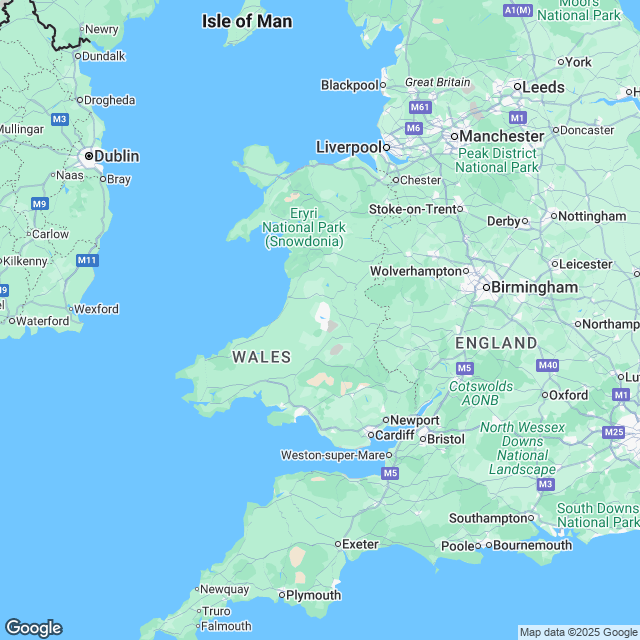
Wales, being an island of the Great Britain, is located between the England and the Bristol Channel and extends its northern and western border into the Irish Sea. The country covers a total area of 20, 779 square kilometers and has a coastline of 2, 700 kilometers long. The central parts and the northern regions of Wales are generally dominated by mountains which were shaped by the Devonian glaciations. Mount Snowdon is the highest mountain in Wales at 1, 085 meters. The mountains in the northwest contain rounded uplands on which the long narrow valleys cut through. The terrain of almost the other parts of Wales is dominated by rolling hills where some are long to about 600 meters above the sea level. The major rivers within the terrain make the lowlands while the narrow coastal plains run along the uplands.Climate of Wales
The moderate climate within the Wales is much similar to the climate of the other regions of the United Kingdom although the presence of the mountainous landscape makes a difference in the climatic conditions of different regions within Wales. The rain seasons come around during the autumn and early winters from the months of October to January. The Severn is the longest river found in the Wales and several rivers drain the upland regions and the presence of cloudy and wet conditions give the region a characteristic maritime climate.Natural Resources in Wales
The main mineral reserves found in the Wales are the coal reserves although the anthracite has a great cover which the country depends on. The extractions of these minerals are also accompanied with the mining of other commercially viable minerals such as the limestone, slate and even gold. Other minerals of economic importance include zinc, manganese, lead and copper. The country also has the arable land for agriculture and even several firms have been generating the hydro power from the rivers.Tourist Attraction in Wales
The presence of abundance attraction scenarios and historical heritage within the territory of Wales creates wonderful reasons why many tourists pay a visit to the country. The mountainous range of Snowdonia in the Gwynedd is made up of 14 peaks and creates great hiking and climbing regions; the Brecon beacons national park bordered by the black mountains with several caves and waterfalls; the devil bridges in the town of Aberystwyth where the three bridges are stacked on top of one another and the hafod estate of woodlands and gardens; and the more than ten railway lines providing fun although they were anciently used to transport the mined slate are some of the great regions within the country. The major cities and villages located within Wales include:- Cardiff
- Swansea
- Newport
- Wrexham
- Bridgend
- Llanelli
- Aberdare
Famous Hotels in Wales
The famous hotels of Wales are- Imperial hotel
- Saint George hotel
- Hotel potrtmeirion
- the quay hotel and spa
- Chateau rhianfa
- Bodysgallen hall and spa
- Black boy inn
Wales Cuisine
The traditional cooking and practices encompasses the Welsh cuisine where the lamb is the meat preferred in the cuisine and the cooking composes of the seafood's and the leek is the national vegetable. The potatoes are frequently used for making the five minutes potato, oven potato and potato cakes. Cheese is widely consumed while beer is the preferred national drink of the Wales. The fried eggs and cockles served along with laverbread makes the breakfast meal.International Airports in Wales
- Aberporth airport
- Anglesey airport
- Welshpool airport
- Swansea airport
- Pembrey airport
- Cardiff airport
Posted By : All Places Map Last Updated: August 08, 2015
Flag of Wales

