



History of Vietnam
Geography of Vietnam
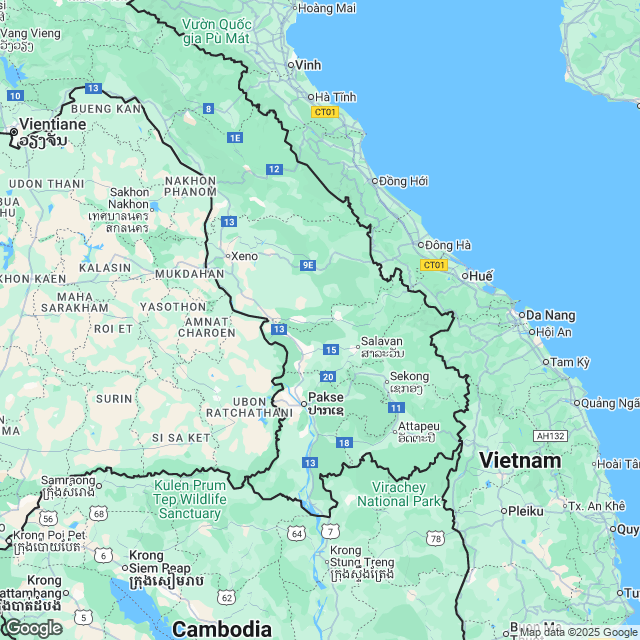
Vietnam is found within the south-eastern Asia within the eastern parts of the Indochina peninsula. The country covers a total area of 331,210 square kilometers where large parts are dry land while the rest of the country is covered by water. Vietnam is slightly larger than the New Mexico and has a total 4,616 kilometers land boundaries. The country has a coastline of 3,444 kilometers without the islands where the southern and northern regions are dominated by low and flat deltas while the central regions are mostly covered by the islands. The north-eastern and parts of the northern areas of the state have many mountains. The lowest part of the country lies within the South China Sea at zero meters below the sea level while the highly raised part of the country is within the Fai san pan at 3,144 meters above the sea level.Climate of Vietnam
The great difference between the latitudes on which Vietnam lies within, results to the variation in the climatic condition in different parts of the country. The northeast regions along the South China Sea experience monsoon winds which result to dry winter seasons from November to April although many parts of the country experience the same dry winters and rainy summers. The plains usually experience higher annual temperatures than the mountainous regions.Natural Resources in Vietnam
Vietnam has several potential oils and natural gas deposits and coal reserves. Many parts of the country possesses large arable land for agricultural practices and even the country has ventured in hydro power industry for energy generation. Other mineral deposits of economic value include manganese, phosphates and chromate.Tourist Attraction in Vietnam
The natural wonderful beauty of Vietnam along with the long history and traditions attracts many tourists every year. The seaside resort town of Nha Trang with beautiful beaches and clean sands, the tunnels of Cu Chi which was used as the hiding places of the Viet Kong guerrillas, the Mekong deltas covered with large rice fields, the Mui Ne fishing village encountered by strong sea breezes and the Sa Pa Terraces covered with rice fields provide wonderful destination places for the tourists. Other magnetic sites within the territory of Vietnam include the Phu Quoc which is the largest island in Vietnam with the great beaches covered by tropical forests on the edges, the fishing village of Hoi An which acted as the international port in the ancient days and the favorite leisure site of the Hoan Kiem Lake. The major cities include:- Ho Chi Minh city
- Hanoi
- Da Nang
- Haiphong
- Bien Hoanha Trang
- Can Tho
Famous Hotels in Vietnam
The famous hotels of Vietnam are- Hanoi Elegance Diamond hotel
- The Nam Hoi Hai An
- JW Marriot Hotel Hanoi
- Mia Resort Nha Trang
- Essence Hoi An Hotel and spa
- Fusion Maia Da Nang
- Sofitel Legend Metropole Hanoi
Vietnam Culture and Cuisine
The Vietnam white food made of rice, wheat and legumes is a popular meal served almost in all restaurants. Noodles are served almost in every meal either lunch or dinner. Deep and stir frying and boiling are the techniques of cooking, where they do not use too much oil in their meals to preserve the freshness of the foods. Fresh vegetables and herbs usually accompany every meal.International Airports in Vietnam
- Can Tho international airport
- Chu Lai international airport
- Lien Khuong international airport
- Cat Bi international airport
- Tan Son Nhat international airport
- Phu Bai international airport
Posted By : All Places Map Last Updated: August 08, 2015
Flag of Vietnam

Facts about Vietnam | |
|---|---|
| Country | Vietnam |
| Continent | Asia |
| Capital | Hanoi |
| Government | Nominally |
| Independence Day | 2-Sep-45 |
| Climate | Humid Subtropical and Tropical |
| Area | 331,210 sq km |
| Currency | Dong (VND) |
| Dialling Code | 84 |
| Neighbours | Cambodia, China, Laos |
