



History of New Zealand
Geography of New Zealand
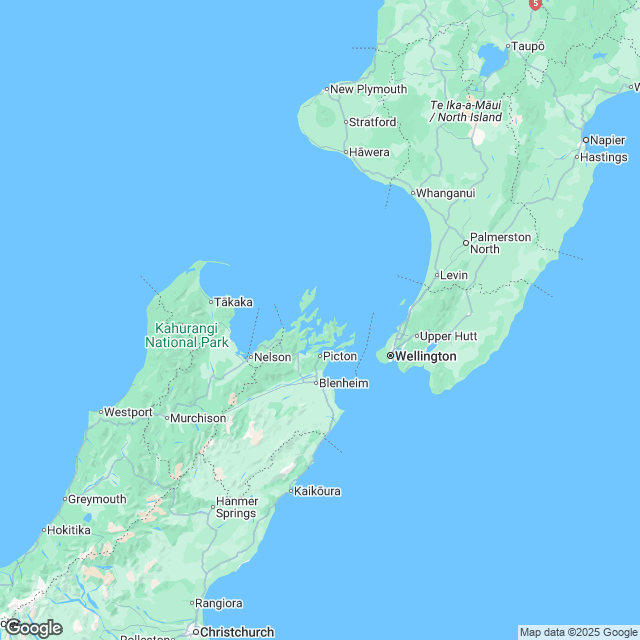
New Zealand consists of two main islands and a number of smaller islands. The two main islands are the North and South Islands. The key geographical features of New Zealand are:
- It has one of the largest Exclusive Economic Zones in the world.
- The highest peak is Mount Cook (3754 meters).
- The Southern Alps spread over 500km down the South Island.
- The oldest rocks of New Zealand are over 500 million years old.
- The country’s size can be compared with the size of the state of Colorado.
Climate of New Zealand
The climate is mild and temperate maritime with mean annual temperatures ranging from 10 degrees Celsius in the south to 16 in the north. The wettest city is Auckland, which receives approximately 1250mm annually, which is twice what the driest city receives. The snow season begins in June and ends around October. It is common in the South Island and not so much in the North Island.
Natural Resources in New Zealand
New Zealand is gifted with a number of natural resources which includes Oil and Gas, Minerals, Geothermal Energy and Biological material.
Tourist Attraction in New Zealand
The most prominent and attractive tourist destinations in the country include:
- Coromandel Peninsula
- Abel Tasman National Park, Sky Tower
- Napier Art Deco
- Kaikoura
- Franz Josef Glacier
- Rotorua
- Tongariro National Park
- Milford Sound
Famous Hotels in New Zealand
A few famous hotels of New Zealand include:
- Millbrook Resort, Arrowtown
- Sofitel, Queenstown
- Pounamu Apartments, Queenstown
- The George, Christchurch
- The Crown Hotel, Napier
New Zealand Cuisine
The cuisine of New Zealand is similar to that of Australia. It is a diverse British-based cuisine with the growing influence of the Mediterranean and Pacific Rim. Dinner is the main meal of the day where members of the family gather and share time together. Various cuisines found in the country include Maori, New Zealand European and more recently, Asian cuisines including Japanese, Thai and Indian cuisines which have increased over time due to an increase in Asian immigrants (a result of the Immigration Act of 1986).
Culture of New Zealand
The culture in New Zealand is a very dynamic one, owing to the indigenous Maori people who influence art, language and the accents of people. Visiting the country without exploring the culture and traditions of the Maori people would not count as a visit as the Maori Tourism offers a variety of amazing experiences for tourists and others to know more about the Maori culture. Qualities noticed among the people are friendly nature, individualism and self-reliance. The culture separates the people of New Zealand from the world.
International and Domestic Airports in New Zealand
There are a number of different International Airports catering to the needs of international passengers travelling to Australia or to any other continent. The busiest airports include:
- Auckland International Airport
- Christchurch International Airport
- Wellington International Airport
- Queenstown International Airport
- Dunedin International Airport
Posted By : All Places Map Last Updated: August 08, 2015
Facts about New Zealand | |
|---|---|
| Country | New Zealand |
| Continent | Oceania |
| Capital | Wellington |
| Government | Unitary |
| Independence Day | 26-Sep-07 |
| Climate | Temperate |
| Area | 268,021 sq km |
| Currency | New Zealand Dollar (NZD) |
| Dialling Code | 64 |
| Neighbours | N/A |
Flag of New-zealand

