



History of Algeria
Various tribes and the Berber dynasties ruled Algeria during the middle ages. The Spanish Empire spread its dominance over several cities and settlements of Algeria in the 1500s. Algeria was made a part of the Ottoman Empire with the intervention of the Ottoman Turks. Algeria was invaded by the French in 1800s. The brutal battle resulted in the declination of Algeria's population. With many French settling in Algeria, France had dominance over Algeria till 1990s.
In the mid - 1900s the Algerians grew insurgent against the French rule. In 1954, they built the National Liberation Front and began to combat France. Algeria gained independence on 5th July 1962 and drove 1 million French people out of the country. The ultimate dictator of the country for many years was a single Socialist Party until there was a civil war in the 1990s. The country still has protests within for freedom of speech and improved living conditions.
Geography of Algeria
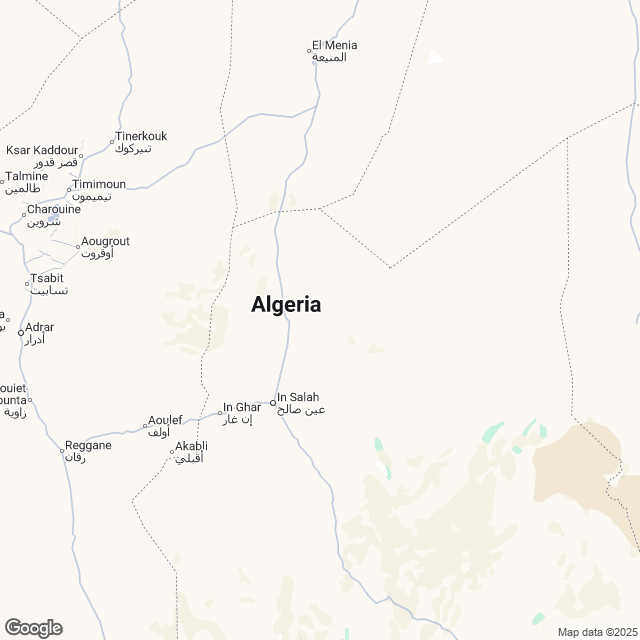
Algeria is enclosed on the west by Morocco and Western Sahara; on the east by Tunisia and Libya. The Mediterranean Sea is to the north, and to the south are Mauritania, Mali, and Niger. This huge landmass is dominated by The Atlas Mountains dominates this huge landmass in the north and the vast desolate reaches of the Sahara Desert, central and south. In fact the country comprises over 80% desert, with gigantic sand seas.
Algeria ranks 10th in the world in terms of area, stretching over 2,381,740 sq. km (100% land) and having a coastline of 998km.
The highest point of Algeria is Mount Tahat (3003m) and
The lowest point is ChottMelrhir (40m below sea level).
The longest river of Algeria is Chelif River (230km).
Climate of Algeria
Being covered by over 80% by the Sahara the climate in Algeria is mostly arid to semiarid. The days are very hot and with the clear sky the night can be chilly.Rainfall is also abundant along the coastal part of the Tell Atlas.
Natural Resources in Algeria
The main natural resources of Algeria are petroleum, natural gas, iron ore, phosphates, uranium, zinc and lead.
Tourist Attraction in Algeria
The famous cities of Algeria are Ain Sefra, Algiers, Annaba, Bordj Bou Arreridj, Bou Saada, Ghardaïa, Hassi Messaoud, Oran, Skikda, Timimoun. The important tourist attractions are:
Art Gallery: There is a large concentration of art galleries located in Algiers- the capital city of Algeria.The National Gallery of Fine Arts, The Bardo National Museum, TheCirta National Museum of Constantine are also important places.
Mountains: There are several peaks and ranges to be seen in Algeria. Some of them are: The Atlas Mountains, The Saharan Atlas, The Tell Atlas, The Aures Mountains, The Ahaggar Mountains (aka Hoggar),The Tassili n' Ajjer.
National Parks: The National Parks of Algeria are
- Coastal National Parks of Algeria - El Kala National Park, Gouraya National Park.
- Algerian National Parks of the Mountain Areas: Theniet El Had National Park, Djurdjura National Park.
- Algerian National Parks of the Steppe: DjebelAissa National Park.
- Algerian National Parks of Sahara: Tassili National Park, l'Ahaggar National Park.
- Nature Reserves in Algeria: la Macta Nature Reserve, Mergueb Nature Reserve.
Famous Hotels in Algeria
The famous hotels of Algeria are Hilton Alger Hotel, Safir Alger, Sheraton Club des Pins, Sofitel Algiers, Mercure Alger Aeroport, Grand Hotel Adhgir.
Algeria Cuisine
Algeria's cuisine is an extensive mix of flavors, aromas and textures, served in a multitude of ways and very attractive to the palate. The Berber influence on Algerian cuisine is clearly perceived in their use of stews, vegetables, lamb, grains and dried fruits. The Turks and Arabs have supplemented spice to the mix as well as a range of delicious pastries. French cuisine has donated greatly to Algerian dishes with the application of tomato puree as well as in their aperitifs and sweets. One can taste the distinctive flavors of caraway,cumin, marjoram, fennel and corianderin Algerian cuisine. Characteristically, lamb and chicken are used in meals as well as fish from the Mediterranean. The national dish of Algeriais steamedCouscous which is served with vegetables, meat and sauce. Coffee is common in Algeria, but is served very strong along with a glass of water. However, Algerians prefer tea with a hint of fresh mint. Fruit drinks are also commonly relished.
Some of the main courses are Mechoui - charcoal roasted lamb, Merquez - spicy lamb sausages, Chorba - spicy lamb or chicken stew with vegetables, Dolma - stuffed vegetables, Harira - soup served at Ramadan, Loubiab'Dirsa - white bean stew, Badendjal - roasted aubergine salad, SlatabelClementinas - onion and orange salad, Bissar - couscous served with chicken and dried vegetables and some deserts are Makroud - with dates or figs, Griouche - honey pastry, Kalb-el-louz - semolina, almond paste and rose water, Samsa - sweet filled pastry, Ghribia - sugar cookies, RfisTmer - date candies.
International and Domestic Airports in Algeria
Some of the important airports of Algeria are:
- HouariBoumediene Airport (Algiers)
- Mohamed Bououdiaf Airport (Constantine)
- Oran Essenia Airport
- BordjMokhtar Airport (BordjMokhtar)
- BouSaada Airport (BouSaada)
- Tiska Airport (Djanet)
Posted By : All Places Map Last Updated: August 08, 2015
History of Algeria
Various tribes and the Berber dynasties ruled Algeria during the middle ages. The Spanish Empire spread its dominance over several cities and settlements of Algeria in the 1500s. Algeria was made a part of the Ottoman Empire with the intervention of the Ottoman Turks. Algeria was invaded by the French in 1800s. The brutal battle resulted in the declination of Algeria's population. With many French settling in Algeria, France had dominance over Algeria till 1990s.
In the mid - 1900s the Algerians grew insurgent against the French rule. In 1954, they built the National Liberation Front and began to combat France. Algeria gained independence on 5th July 1962 and drove 1 million French people out of the country. The ultimate dictator of the country for many years was a single Socialist Party until there was a civil war in the 1990s. The country still has protests within for freedom of speech and improved living conditions.
Geography of Algeria
Algeria is enclosed on the west by Morocco and Western Sahara; on the east by Tunisia and Libya. The Mediterranean Sea is to the north, and to the south are Mauritania, Mali, and Niger. This huge landmass is dominated by The Atlas Mountains dominates this huge landmass in the north and the vast desolate reaches of the Sahara Desert, central and south. In fact the country comprises over 80% desert, with gigantic sand seas.
Algeria ranks 10th in the world in terms of area, stretching over 2,381,740 sq. km (100% land) and having a coastline of 998km.
The highest point of Algeria is Mount Tahat (3003m) and
The lowest point is ChottMelrhir (40m below sea level).
The longest river of Algeria is Chelif River (230km).
Climate of Algeria
Being covered by over 80% by the Sahara the climate in Algeria is mostly arid to semiarid. The days are very hot and with the clear sky the night can be chilly.Rainfall is also abundant along the coastal part of the Tell Atlas.
Natural Resources in Algeria
The main natural resources of Algeria are petroleum, natural gas, iron ore, phosphates, uranium, zinc and lead.
Tourist Attraction in Algeria
The famous cities of Algeria are Ain Sefra, Algiers, Annaba, Bordj Bou Arreridj, Bou Saada, Ghardaïa, Hassi Messaoud, Oran, Skikda, Timimoun. The important tourist attractions are:
Art Gallery: There is a large concentration of art galleries located in Algiers- the capital city of Algeria.The National Gallery of Fine Arts, The Bardo National Museum, TheCirta National Museum of Constantine are also important places.
Mountains: There are several peaks and ranges to be seen in Algeria. Some of them are: The Atlas Mountains, The Saharan Atlas, The Tell Atlas, The Aures Mountains, The Ahaggar Mountains (aka Hoggar),The Tassili n' Ajjer.
National Parks: The National Parks of Algeria are
- Coastal National Parks of Algeria - El Kala National Park, Gouraya National Park.
- Algerian National Parks of the Mountain Areas: Theniet El Had National Park, Djurdjura National Park.
- Algerian National Parks of the Steppe: DjebelAissa National Park.
- Algerian National Parks of Sahara: Tassili National Park, l'Ahaggar National Park.
- Nature Reserves in Algeria: la Macta Nature Reserve, Mergueb Nature Reserve.
Famous Hotels in Algeria
The famous hotels of Algeria are Hilton Alger Hotel, Safir Alger, Sheraton Club des Pins, Sofitel Algiers, Mercure Alger Aeroport, Grand Hotel Adhgir.
Algeria Cuisine
Algeria's cuisine is an extensive mix of flavors, aromas and textures, served in a multitude of ways and very attractive to the palate. The Berber influence on Algerian cuisine is clearly perceived in their use of stews, vegetables, lamb, grains and dried fruits. The Turks and Arabs have supplemented spice to the mix as well as a range of delicious pastries. French cuisine has donated greatly to Algerian dishes with the application of tomato puree as well as in their aperitifs and sweets. One can taste the distinctive flavors of caraway,cumin, marjoram, fennel and corianderin Algerian cuisine. Characteristically, lamb and chicken are used in meals as well as fish from the Mediterranean. The national dish of Algeriais steamedCouscous which is served with vegetables, meat and sauce. Coffee is common in Algeria, but is served very strong along with a glass of water. However, Algerians prefer tea with a hint of fresh mint. Fruit drinks are also commonly relished.
Some of the main courses are Mechoui - charcoal roasted lamb, Merquez - spicy lamb sausages, Chorba - spicy lamb or chicken stew with vegetables, Dolma - stuffed vegetables, Harira - soup served at Ramadan, Loubiab'Dirsa - white bean stew, Badendjal - roasted aubergine salad, SlatabelClementinas - onion and orange salad, Bissar - couscous served with chicken and dried vegetables and some deserts are Makroud - with dates or figs, Griouche - honey pastry, Kalb-el-louz - semolina, almond paste and rose water, Samsa - sweet filled pastry, Ghribia - sugar cookies, RfisTmer - date candies.
International and Domestic Airports in Algeria
Some of the important airports of Algeria are:
- HouariBoumediene Airport (Algiers)
- Mohamed Bououdiaf Airport (Constantine)
- Oran Essenia Airport
- BordjMokhtar Airport (BordjMokhtar)
- BouSaada Airport (BouSaada)
- Tiska Airport (Djanet)
Posted By : All Places Map Last Updated: August 08, 2015
Flag of Algeria
Facts about Algeria | |
|---|---|
| Country | Algeria |
| Continent | Africa |
| Capital | Algiers |
| Government | Republic |
| Independence Day | 5-Jul-62 |
| Climate | Arid, Semiarid and Mediterranean |
| Area | 2,381,741 sq km |
| Currency | Algerian Dinar (DZD) |
| Dialling Code | 213 |
| Neighbours | Libya, Mali, Mauritania, Morocco, Niger, Tunisia, Western Sahara |
